Semiconductor
Cleaner Fabs. Safer Processes.
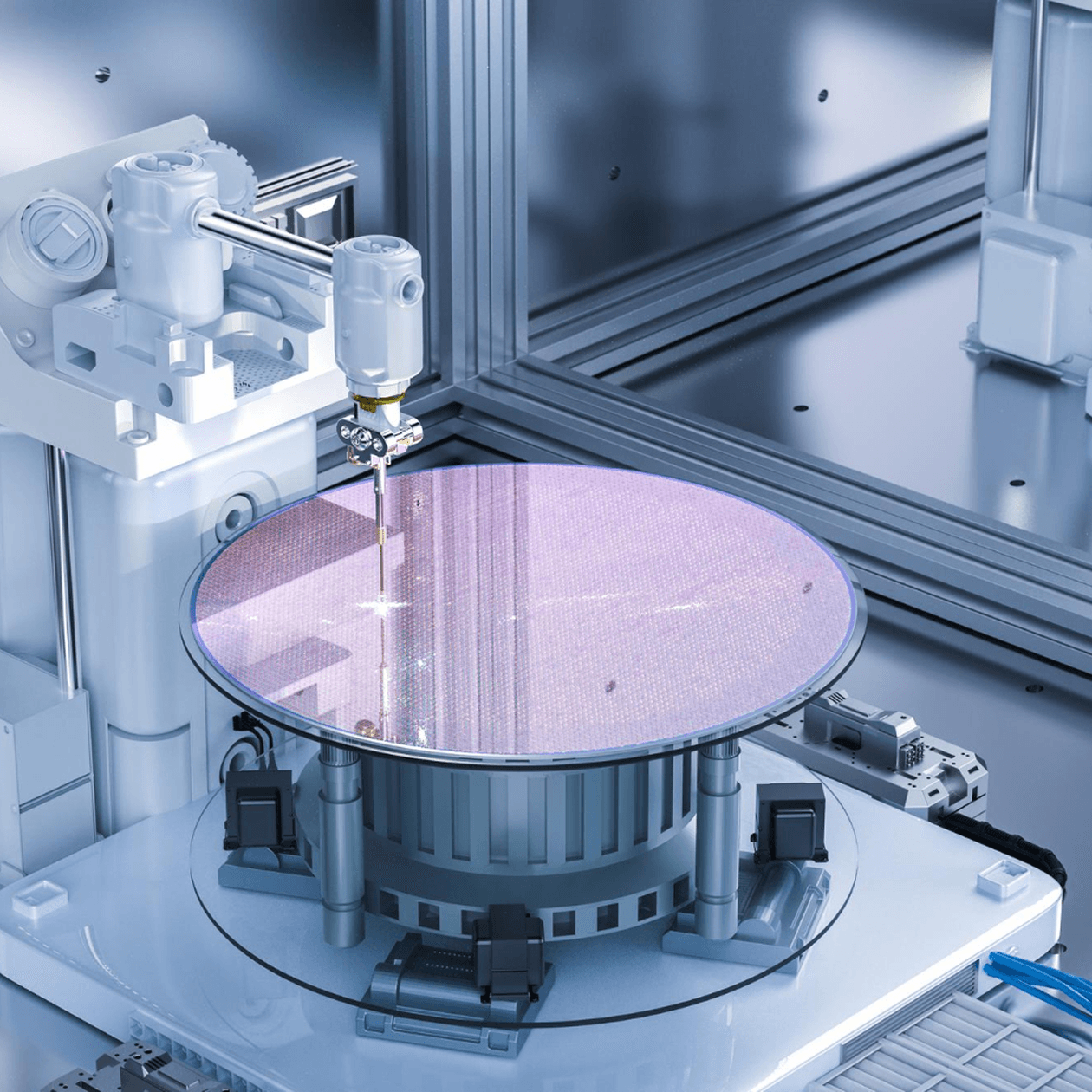
Front-end semiconductor manufacturing is one of the most chemically intensive industrial processes in existence. Wafer fabrication involves etching, chemical vapour deposition, and chamber cleaning steps that generate a complex mix of hazardous gases, including acidic gases such as hydrogen fluoride, HCl, sulfuric acid, and nitric acid; toxic gases such as phosphine, arsine, silane, and ozone; and greenhouse gases such as carbon tetrafluoride, sulphur hexafluoride, and nitrogen trifluoride. Each gas behaves differently and must be treated accordingly before it can be safely released.
EcoSys serves this industry from two directions. Our abatement systems capture, treat, and neutralise the harmful process gases generated at every stage of wafer fabrication, helping fabs and equipment manufacturers comply with environmental regulations across every major market. Our ultra-high purity fabrication capability produces the precision weldments, manifolds, and fluid system components that keep semiconductor manufacturing equipment running at the purity levels the process demands.
Key Processes
Wafer Fab Process Challenges

Corrosive Gas Neutralisation
Etching and CVD processes release acidic gases such as hydrogen fluoride and HCl, as well as toxic gases including phosphine, arsine, and silane, requiring robust scrubbing before release.

Particulate Management
Deposition and etching processes release fine dust, particles, and organic compounds that must be captured at the source to prevent equipment fouling and maintain compliance.

Greenhouse Gas Decomposition
Carbon tetrafluoride, sulphur hexafluoride, and nitrogen trifluoride require abatement to break down these potent greenhouse gases in compliance with emissions targets.
Frequently Asked Question
Your Questions, Answered
Wafer fabrication processes generate acidic, toxic, and greenhouse gases that pose serious risks to personnel, equipment, and the environment. Abatement systems capture and neutralise these gases before they are released, ensuring compliance with environmental regulations in every market where fabs operate.







ECOSYS (MALAYSIA) BERHAD
No. 25, Lorong Beringin 2,
Taman Industri Beringin,
14100 Simpang Ampat,
Pulau Pinang
Ultra High Purity (UHP)
© @ 2026 ECOSYS (MALAYSIA) BERHAD 202301024280 (1518203-H). All Rights Reserved. Powered by Orangesoft Web Design